Beverage Container Recycling

As You Sow, an investor advocacy organization, began engaging bottled beverage companies 15 years ago to encourage them to improve their bottle/can recycling rates. After dialogue and the filing of proposals for several years, Coca-Cola agreed to recycle 50% of its PET, glass bottles, and aluminum cans by 2015; PepsiCo agreed to an industry recycling goal for 50% of PET, glass bottles and cans by 2018; and Nestle Waters NA agreed to an industry recycling goal of 60% of PET bottles by 2018. If these companies meet their 2018 goals, it will mean about 20 billion bottles and cans avoiding the landfill and instead providing valuable materials to bottling companies for recycled content in new bottles and cans.
Mark Preisinger, Director for Shareowner Affairs, Coca-Cola, told As You Sow: “I do believe [shareholders’ proposals] helped us get to where we are on the recycled content issue. The dialogue that we undertake with shareholders clearly helps advance agendas like this one inside our company.”
Further, what started out as an adversarial dialogue with Nestle Waters developed a couple of years later into a joint effort by As You Sow and Nestle Waters to convince other large brands to take financial responsibility for the collection and recycling of post-consumer bottles. This led to the development of a $100 million Closed Loop Fund by Walmart, along with Coke, Pepsi, Procter & Gamble and several other brands, to help fund improvements to U.S. recycling infrastructure, which will increase materials recycled.

Shareholder Proposals and trouble at Bayer's Acquisition
In 2016, shareholder John Harrington, the president of Harrington Investments Inc., filed a proposal at Monsanto regarding health risks from the company’s flagship weedkiller Roundup. The proposal noted “an increasing number of independent studies assessing the toxicity of glyphosate, the active ingredient in Roundup, associate it with cancer, birth defects, kidney disease, and hormone disruption, causing world-wide concern about its safety”. The proposal requested a report assessing the effectiveness and risks associated with the company’s policy responses … to the impact of recent reclassification of glyphosate as “probably carcinogenic,” and quantifying potential material, financial risks or operational impacts on the Company in the event that proposed bans and restrictions are enacted.
On its 2016 vote, the proposal received 5.3% voting support. Refiled in 2017, it still only received 5.5% support. Yet, this relatively small group of shareholders proved to be prescient in identifying a material issue.
Only two months after Monsanto was acquired by the German pharmaceutical company Bayer in June 2018, a jury granted a $289 million award in a suit alleging public health threats and cancer of a plaintiff caused by Roundup. This news sliced billions of dollars from Bayer’s valuation. Bayer’s market capitalization has descended steeply in the following months, from $99.1 billion as of August 10, 2018 (the date of the jury verdict), to $64.8 billion as of November 20, 2018 and after losing another jury verdict, $56.2 billion by May 24, 2019.
Linking Executive Compensation to Sustainability Metrics

Pat Miguel Tomaino, Director of Socially Responsible Investing, Zevin Asset Management
The structure of executive pay often causes companies to cut corners, take unwarranted risks, and ignore pressing environmental and social challenges. Exorbitant and unfocused pay packages created perverse incentives that reduced oversight at Wells Fargo, leading to the bank’s fake accounts controversy. After the Volkswagen diesel emissions scandal and BP’s Gulf of Mexico explosion, experts and advocates have pressed to “claw back” misbegotten CEO paychecks — without much success.
Responsible investors can help shape incentives toward positive outcomes even as we examine the deeper problem in executive compensation. To this end, Zevin Asset Management has urged dozens of companies to link senior executive payouts to social and environmental risk metrics and performance goals. Late last year, Citrix responded to our proposal, agreeing to spell out how diversity and inclusion factors influence annual CEO performance evaluations.
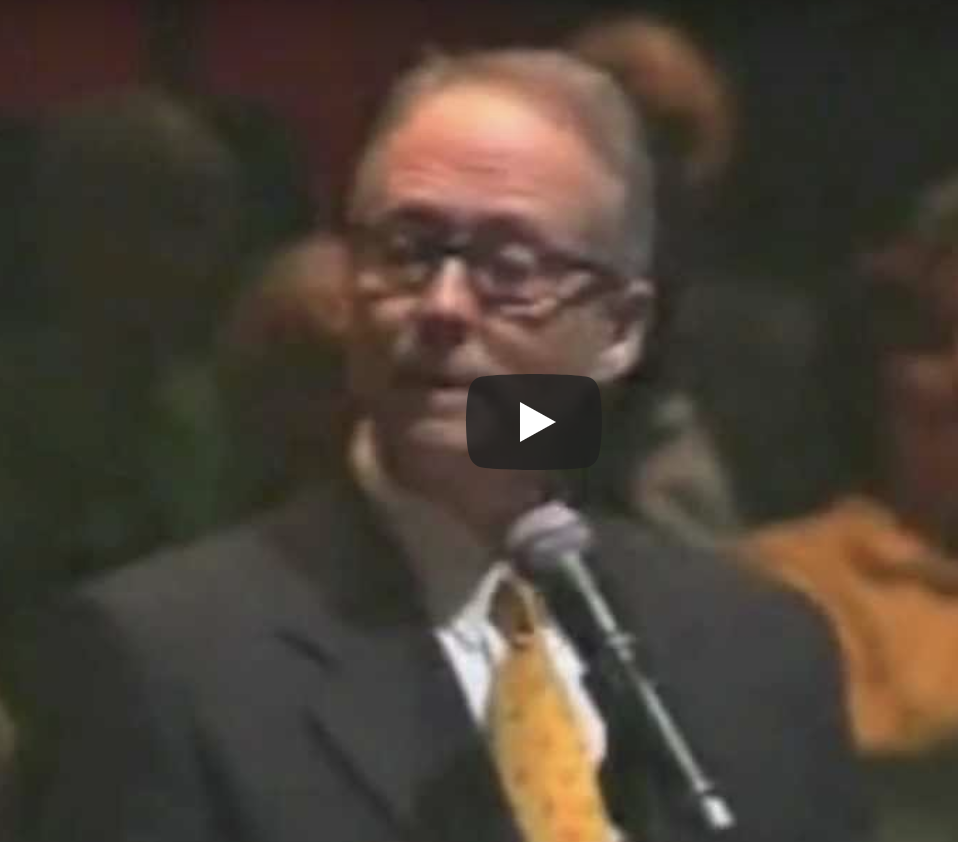
Bruce Herbert Presents Proposal at Starbucks
Bruce Herbert At Starbucks’ annual meeting, Bruce Herbert, presents a Harrington Investments shareholder proposal urging the company to embed sustainability into its corporate governance. He emphasized that long-term environmental and social responsibility aligns with shareholder value and argued that codifying these practices ensures accountability. Herbert highlighted how shareholder support is crucial to driving meaningful change and referenced prior company actions and industry standards to strengthen his case. Addressing the board and fellow investors, he made a persuasive appeal for collective action, encouraging votes in favor of the resolution. The video captures the process of shareholder engagement and underscores the role investors can play in shaping corporate sustainability strategies.