US SIF’s 30th Anniversary “Trends Report”
US SIF’s latest “Trends Report” Finds Sustainable Investing Asset Base Holding Amid Political Headwinds
Sustainable assets account for 11% of total market AUM; climate and client customization drive activity, while themes like artificial intelligence (AI), biodiversity, and Indigenous People’s rights gather steam.
Highlights
US SIF analysis records the US market size as $61.7 trillion, of which $6.6 trillion (versus $6.5 trillion in 2024) were identified or marketed as sustainable or ESG investments.
53% of individuals expect the sustainable investment market to grow over the next year, compared to 73% in 2024.
Political pushback has moderated, not reversed, ESG activity with nearly half (46%) reporting no impact to how their organization approached sustainability, while 29% said they now focus explicitly on demonstrable financial materiality; one in four have stopped using the ESG acronym.
Investors are currently prioritizing the areas of the economy with high emissions and investing in the transition including energy, innovation, and transport (with 86%, 76% and 72% invested respectively).
When it comes to strategies, ESG integration remains the mainstream default with 77% using this approach.
Looking ahead, impact investing showed the strongest growth runway with 46% saying they expect their organization to increase its impact investing activities over the next three years, followed by sustainability-themed investing (43%) and ESG integration (38%).
Washington D.C., December 9, 2025 – On its 30th anniversary, the US SIF Foundation’s flagship report, US Sustainable Investing Trends 2025/2026, takes the pulse of the US sustainable investing market and finds that assets have remained steady, even amid political pushback.
Using Securities and Exchange Commission filings, US SIF places the overall US market size at $61.7 trillion, with $6.6 trillion marketed specifically as “sustainable” or “environmental, social and governance” (ESG) investments – a modest increase from $6.5 trillion in 2024, reflecting stable investor commitment. Sustainable assets represent 11% of the overall market size, versus 12% last year, a marginal decline likely due to the increase in the overall value of the market in 2024.
Sixty-nine percent of the US market AUM, or $42.7 trillion, was covered by an active stewardship policy.
Launched in 1995, the Trends report has provided the foundational data needed to understand the evolving sustainable investing market for three decades. In partnership with SDGlabs.ai, US SIF reviewed SEC disclosure Forms ADV and 13F, public websites and reporting, and 270 survey responses to create the definitive baseline of the US sustainable investment market.
Political Impact on Sustainable Investing Activity
The evolving dynamics of US politics are shaping investor sentiment and approaches to sustainability in noticeable, if uneven, ways. Rather than a wholesale pullback, the current moment is characterized by adjustment: investors are holding to their sustainability commitments while recalibrating terminology, stewardship practices, and disclosure framing to fit shifting legal and political conditions.
When asked whether certain events or issues affected their decision to increase sustainable investments in 2025 and beyond, 62% said the political environment had no effect on their decision, while 22% said they would increase investments.
“What we’re witnessing is that there has not been a retreat from sustainable investing. Over three decades, we’ve seen this industry evolve from a niche concept to mainstream investment approach. The shifts we’re seeing reflect a pragmatic adaptation to the current environment while maintaining focus on the long-term drivers of value and changing market risks and opportunities.”
Maria Lettini, CEO of US SIF
Climate change (52%), client-driven customized investing (41%), and severity and frequency of catastrophic climate events (38%) were the top issues driving an increase in sustainable investment activities. Loss of biodiversity (34%) and food insecurity (24%) rounded out the top five.
Notably, 23% of respondents indicated that AI was positively affecting their decision on whether to increase sustainable investments in 2025 and beyond. Heightened attention to Indigenous Peoples’ rights (with 16% increasing and 81% maintaining activity) and migration (11% increasing and 87% maintaining) underscores growing focus on social issues at the nexus of major sectoral trends in the extractive industries, the energy transition, infrastructure, and related sectors.
Industry Comments
"The continued strength in sustainable investing AUM demonstrates that ESG integration has become a fundamental part of investment strategy, not a passing trend. At G&A, we've tracked thousands of companies increasingly adopting sustainability reporting and disclosure practices in response to investor demand. This alignment between investor capital allocation and corporate transparency is strengthening markets, improving corporate resilience, and creating long-term value for all stakeholders and the broader economy.”
Louis Coppola, CEO & Co-Founder, G&A Institute
“That this report found that 69% of the entire US market is covered under a stewardship policy underscores the importance of this approach in driving value. Whether through proxy voting, direct engagement or other stewardship strategies, global companies can expect to hear from the investment community about issues that affect corporate resilience.”
Lisa Hayles, Director of Sustainability and Stakeholder Engagement, Trillium Asset Management
“At a time when the broad expectation was that sustainable investing assets would contract, this year’s Trends report shows that the industry is staying the course and committed to providing long-term value. This aligns with Calvert’s time-tested responsible investment philosophy.”
Anthony Eames, Managing Director, Responsible Investment Strategy, Calvert Research and Management
“The 2025/2026 Trends report underscores that investors remain focused on material sustainability risks and opportunities that affect business resilience and promote value creation over the long term. While approaches to these issues continue to evolve, enhanced corporate disclosure remains essential for investors to mitigate risks and capitalize on opportunities, such as those presented by climate change and emerging artificial intelligence (AI) technologies.”
Amy D. Augustine, Director of ESG Investing, Boston Trust Walden
Access the full report, here.

ICGN Letter to SEC on Shareholder Proposals
Letter from Jen Sisson, CEO of ICGN on 10th December 2025
Dear Chairman Atkins, and Commissioners Uyeda, Peirce and Crenshaw,
Subject: Comments on the SEC Statement on Rule 14a-8 - No-Action Requests
The International Corporate Governance Network (ICGN) would like to offer its perspective on the SEC Division of Corporation Finance statement, published on November 17, 2025, regarding no-action requests under Rule 14a-8.
Led by investors responsible for assets under management of over US$90 trillion, ICGN promotes high standards of corporate governance globally. Our members – both asset owners and asset managers – have significant exposure to the U.S. market.
We are deeply concerned by the Division of Corporation Finance’s announcement that it will not substantively respond to most Rule 14a-8 no-action requests for the 2025–2026 proxy season. We are concerned that the narrowing of shareholder proposal rights appears part of a broader shift that reduces the avenues through which investors can engage with portfolio companies, compounded by recent changes to interpretations of Section 13D and 13G. Taken together, these developments risk adding tensions between company owners and management, and diminish investor confidence in U.S. corporate governance standards and thereby weaken the appeal of U.S. capital markets globally.
Why shareholder resolutions are an important mechanism
Shareholder resolutions are a vital mechanism for company owners to surface ideas and raise concerns with company management and all shareholders. They have been a key driver of corporate governance improvements in the United States. For example, shareholder resolutions have been successful in promoting annual director elections and establishing simple majority vote requirements. Shareholder proposals helped these good governance practices to become norms, based on a market-led approach, without regulation or standards. Hundreds of constructive dialogues, resulting in increased corporate transparency and improved governance, have been facilitated by shareholder resolutions at minimal cost to issuers and investors.
Each investor has their own approach to decide how to vote on a shareholder resolution. Across the market, resolutions that obtain significant shareholder support tend to be those that are not overly prescriptive for company management and that concern issues investors deem financially material for the success of the company. Shareholders tend to support proposals that can catalyse improvements in governance, reporting, risk management, and long-term strategic thinking. Academic research shows that governance provisions restricting shareholder rights, such as limits on the ability to propose resolutions, are associated with lower firm valuation and weaker stock performance.
Shareholder resolutions can help provide accountability when other mechanisms fail. They also signal investor sentiment to the company. High support levels for a proposal can drive rapid governance improvements, but even modest levels of support can prompt constructive engagement between boards and investors.
Why the SEC No Action Process should be protected
ICGN believes that the ability to file shareholder proposals is a fundamental ownership right.
For decades, issuers and investors have relied on SEC staff guidance, and although purely advisory, it has served as an independent, impartial, trustworthy check that provided procedural clarity and curbed potentially arbitrary exclusion of shareholder proposals by boards of directors.
According to the Statement, a company will be able to obtain an SEC ‘no-objection’ based solely on the company’s unqualified representation that it has a reasonable basis to exclude the proposal based on the provisions of Rule 14a-8, SEC guidance and/or judicial decisions. Without conducting an evaluation of the adequacy of the representation, the SEC’s staff will not object to the company omitting the proposal from the ballot.
By stepping back from the process, the SEC risks significantly diminishing shareholder voice and reducing important checks and balances that exist to protect the long-term interest of the company and its owners. Without the traditional buffer of a staff no-action determination, boards of directors may face increased opposition from investors concerned that relevant shareholder proposals may have been omitted without a valid reason. Furthermore, without SEC staff guidance, companies may be exposed to increased litigation, as proponents of shareholder resolutions that have been omitted by companies may seek judicial clarification in the absence of SEC staff assessment.
We regret to hear that the SEC intends to withdraw from substantive 14a-8 review. Rule 14a- 8 has facilitated a critically important private ordering process - but private ordering only works with regulatory oversight.
A call for the SEC to reconsider its Statement and launch a public consultation
ICGN recognises the resource pressures the Division faces, but the shareholder proposal process plays a vital role in surfacing material risks and enabling constructive investor- company dialogue. We believe that the existing process is well understood and has been supportive of well-functioning markets, and therefore we strongly support the SEC No Action Process being protected.
The Division’s independent review has historically provided transparency, predictability and a neutral reference point for both companies and investors. Removing or significantly narrowing that role risks eroding investor voice, imposing disproportionate burdens on minority and smaller proponents, and increasing costly litigation. As we believe this is not in the interest of efficient and fair capital markets, we respectfully ask that the SEC reconsider its statement.
We are concerned that this shift is occurring through staff announcements and public remarks, rather than through the formal rulemaking process. As highlighted in our 20 October letter, we encourage the Commission to consider returning to public consultation processes on matters that substantively alter policy, following a formal notice-and-comment process under the Administrative Procedure Act. We believe that the absence of public consultations on important announcements which may negatively affect shareholder rights, risks lowering the quality of the highly regarded due process and governance standards in the United States, thereby presenting a risk to the attractiveness of U.S. capital markets and impact the valuation of U.S. companies by investors.
We would welcome the opportunity for further dialogue on these issues. Should you have any question, please contact Severine Neervoort, Global Policy Director at policy@icgn.org.
To learn more, please visit ICGN’s Website.

SEC chair’s remarks on the future of the U.S. shareholder proposal process are “deeply concerning”
Freedom to Invest
U.S. Securities and Exchange Commission Chair Paul Atkins’ recent comments pointing to the end of the shareholder proposal process are “deeply concerning,” as such changes would be an abdication of the agency's investor protection mandate.
The practice of filing shareholder proposals has a long history, gaining prominence in 1942 with the introduction of a version of SEC Rule 14a-8, which investors and companies rely on to ensure a fair and balanced process. Proposals are almost always non-binding, even when they receive a majority supporting vote, meaning companies are not legally required to act on them. Still, they have led to the broad adoption of governance best practices and risk mitigation policies essential for long-term value creation.
Atkins’ recent statements in Delaware indicate that the agency will seek to reform the shareholder proposal process dramatically.
Andrew Collier, Director, Freedom to Invest, said:
“The shareholder proposal process has been a cornerstone of investment stewardship and good governance for decades. The process helps protect the retirement savings of tens of millions of Americans from financial risks that threaten corporate bottom lines. If the SEC intends to break longstanding precedent and deprive shareholders of their traditional input into corporate decision-making, then the agency should solicit public comment. The SEC should not make dramatic shifts in policy without allowing investors to voice their practical and economic concerns as fiduciaries acting in the best interests of clients and beneficiaries”.
Freedom to Invest brings together investors, companies, and other stakeholders to champion the freedom to consider all material financial risks in their decision-making. Learn more here.
The Impact of Coordinated E&S Engagements
Authors: Elroy Dimson, Oğuzhan Karakaş, and Xi Li
As the focus on environmental and social (E&S) factors grows, shareholder organizations encourage investee businesses to act responsibly. This research studies the impact of coordinated, international E&S engagements. It shows that shareholder coalitions with clear leadership are more likely to achieve success and to deliver financial benefits to target and investor firms.
SUMMARY OF FINDINGS
When an investor coalition seeks to influence the environmental and social (E&S) responsibility of an investee company, how does the group’s leadership structure impact success on key dimensions?
The growing focus on E&S issues has meant more pressure on businesses in these areas from institutional shareholders. But scholarly work on how the structures of such engagements affect their E&S- related success and the performance of investors and investees has remained limited.
The authors address this by studying coordinated, cross-country E&S engagements and outcomes. They hypothesize that engagements with leaders that signal their commitment to the effort—through devotion of resources—and hold informational and reputational assets will promote greater success than engagements without leaders. They test this on a sample of 31 projects coordinated through the UN-supported Principles of Responsible Investment network and targeting 960 publicly listed firms.
While 52.7% of all engagements were successful, those with a clear leader were 23-31% more likely to succeed in driving E&S change. Coalitions with leaders holding informational advantage and reputational credibility were more likely to succeed. Both investor and target firms experienced post-engagement financial benefits as well. The results suggest coordinated E&S engagements—especially those with clear leadership— achieve their objectives while contributing to shareholder value.
The Impact of Coordinated E&S Engagements
As the importance of environmental and social (E&S) issues grows globally, investors have launched myriad initiatives to pressure businesses to act responsibly. Scholars have argued that “voice” (engagement) with investee companies is more effective than exit/divestment. But there has been only limited research on the structure and success of coordinated, collaborative, cross-country attempts to influence E&S- related behavior.
The authors work to fill this gap through research on the structure of such engagement strategies, with focus on understanding the impact of patterns of coalition-formation and leadership on success rates and financial outcomes. Specific measures include those related to leadership characteristics and mechanisms (informational and reputational advantages) and target-firm returns (stock returns and return on assets).
Central to the research is a previously established economics of leadership framework—specifically, that coalition dynamics unfold in two main scenarios: with and without a leader, whether an individual or organization. The argument is that coalitions with leaders who have superior information and “lead by example”—and signal their commitment through use of resources—will perform better than coalitions without leaders. The authors apply this proposition to E&S engagement efforts by coalitions of shareholders.
A Study of PRI-Coordinated E&S Engagements
The researchers studied engagement efforts coordinated by institutional investors through the Collaboration Platform provided by the Principles of Responsible Investment (PRI), the UN-supported largest global network for investors committed to corporate responsibility and sustainable returns.
The data included coordinated engagement projects initiated between 2007 and 2015 by 224 investment organizations. These collaborators—investment managers, asset owners, and service-providers from 24 countries—targeted 960 publicly listed firms, with an average of 26 investors per engagement and a duration of about two years. Among the engagements, 15 had lead organizations.
The researchers tapped PRI and multiple other sources for information on coalition members, target firms, engagement success, and pre- and post-engagement performance on financial measures including returns and fund flows.
E&S Engagement Leadership Promotes Success on Multiple Dimensions
The work yielded multiple results with meaningful implications for investors’ E&S influence efforts.
Overall, the average rate of success across engagements in the sample was 52.7%. As predicted, engagements with clear leadership were 23-31% more likely to be successful in driving E&S change in target firms, an economically significant finding.
Leaders were more likely to be investment managers, and leaders tended to have formal internal engagement processes and to participate in other collaborative initiatives—characteristics that acted as signals of their ability to lead E&S engagements, consistent with the idea of leading by example through resource-intensive effort.
As far as mechanism, engagements with leaders holding an informational advantage—as represented by the leader’s location in the same country as the target firm—were more likely to succeed, as were those led by leaders with a strong reputation, as measured by repeated interaction between the leader and followers in the coalition.
Moreover, both investor and targeted firms benefited from engagements driven by coalitions with clear leaders: investors enjoyed increased fund flows; target firms experienced an average increase in annual abnormal buy-and-hold stock returns of 4.7% and in annual return on assets of 0.9% in the first two years following engagement initiation, with those growing to 9.4% and 2.3%, respectively, by the third year. Engagements with no leader resulted in no changes in these measures for target firms.
Overall, the findings suggest that coordinated E&S engagements achieve their objectives in a large proportion of cases without compromising investment returns. Indeed, PRI-coordinated activities are shown to contribute to shareholder value, and should be headed by a credible leader to maximize outcomes.
KEY DATA
PRI-coordinated E&S engagements reflecting UN Social Development Goals in Environmental, Social, and Governance areas
Coalition members/roles and target firms (from PRI data)
Success of engagement (from PRI records, with varying criteria such as scorecards related to policy and implementation pre- and post-engagement)
Target-company attributes and performance (PRI, WorldScope/Compustat, MSCI country return index, and other data)
Leader firm fund flows (FactSet data)
PRACTICAL IMPLICATIONS
Coordinated E&S engagements are largely successful in driving meaningful change in responsible policy, implementation, and other activities among target firms—along with financial benefits for coalition leaders and target firms. Coalition leadership characteristics predict likelihood of success, meaning everyone can win from well- structured engagements.
Institutional investors seeking to engage with investees around E&S can work to maximize the likelihood of success by leading or joining shareholder coalitions. There should be a leader that signals substantial commitment of resources to the effort and has an informational advantage and reputational credibility, probably underpinned by geographic and cultural proximity to the target company.
The best leader of an engagement is not simply making a moral decision. They will also have an economic motivation and more “skin in the game” than other investors, along with the ability to deploy key resources toward the engagement. The motivation may help the institution achieve its objectives and increase future fund flows
Please access the original research brief here.

Advisory Proxy Resolutions Are More Important Than Ever
Authors- Karl Sandstrom and Bruce Freed
U.S. Supreme Court Justice Anthony Kennedy observed in the Citizens United decision that shareholders of publicly traded companies could employ the procedures of corporate democracy to ensure that shareholder value was not diverted to political causes and candidates that they found objectionable. The proxy process is the principal way shareholders can exercise that power.
Investors have used the process to file resolutions seeking disclosure and board oversight of corporate political spending and have met with remarkable success: Political transparency and accountability are becoming the norm among publicly traded companies.
Today, the right of shareholders to register their opinion about companies’ use of their investment dollars for political causes is at risk. Securities and Exchange Commission Chairman Paul Atkins and the Trump administration are pushing to eliminate proxy resolutions that are advisory, which would be a fatal blow to resolutions calling for political transparency and board oversight.
Proxy access is critical to protecting investors. Investors should not be deprived of the ability to recommend to a company procedures that safeguard their investment and align their interests with the company’s. Investors simply should not be put at risk of having shareholder value used to advance political causes and candidates without disclosure and approval by elected directors.
Broad transparency and accountability by major companies are products of proxy access. Without proxy access, shareholders would not be able to take advantage of Justice Kennedy’s observation and would be left blind to a company’s political engagement and compelled to underwrite speech that they find objectionable.
Transparency and accountability serve as a check on corporate managers using corporate resources to advance their own personal political preferences.
Transparency and board oversight also serve as a safeguard against corruption. Recent experience is replete with examples of corporate officers using corporate resources to corruptly engage in politics. Corruption puts at risk a shareholder’s investment and financial fortune at risk.
The S.E.C.’s proxy access rules have been central to the Center for Political Accountability’s successful collaboration with shareholder advocates in engaging companies to improve disclosure and oversight of their election-related spending. The fact that its resolution has garnered very substantial investor support –a 41.6 percent average vote in the 2025 proxy season — is testament to the value investors place on political engagement that is transparent and accountable.
At the same time proxy access has facilitated dialogue between management and investors, helping to remove suspicion and identifying common concerns. The resolution has been regularly withdrawn at companies following constructive engagement and adoption of responsive policies.
Demonstrating the value of proxy access, this year’s proxy season shareholders exercised their right and rendered a notable five majority votes on resolutions for corporate political disclosure and accountability, at the following companies: Meritage, 57.7%; CBOE Global Markets Inc., 55.8%; Crown Holdings Inc., 52.7%; Spirit AeroSystems, 51.4%; and Teradyne Inc., 51.0%.
These results show that political transparency and accountability are not gadfly concerns but reflections of investor recognition of the risks associated with political spending and the obligation that a company owes to its investors to reveal and justify the company’s use of shareholder value to advance a political cause or candidate.
It is hard to discern how investors benefit from denying them an effective way to register their opinions with a company on issues of high public and personal and financial interest. The Constitution protects us from being compelled to support political speech with which we disagree. It is difficult to take advantage of that right if no avenue is left open to vindicate it. It is that avenue that Justice Kennedy was presuming would be left open. The SEC should take heed of that opinion.
Karl Sandstrom is Senior Advisor to the Center for Political Accountability and a former member of the Federal Election Commission. Bruce Freed is President of the Center for Political Accountability.
Please access the full article here.
State Financial Officers to SEC Chair Atkins on Rule 14a-8
December 3, 2025
The Honorable Paul S. Atkins
Chair
U.S. Securities and Exchange Commission
100 F Street, NE
Washington, DC 20549
Dear Chair Atkins:
We write to express concern over recent changes in the SEC’s administration of Rule 14a-8 and the implications of your public statements encouraging companies to exclude shareholder proposals based on untested interpretations of state law. These changes would suppress shareholder governance, diminish corporate transparency and accountability, and create risks to profitability and reputation for companies—further undermining the confidence that has attracted global investors to American firms and markets. We urge you to reconsider.
We recognize that the Commission must balance limited resources and administrative efficiency with its broader responsibilities. However, the Commission’s recent changes to the no-action process, indicating that the staff will not substantively evaluate companies’ legal basis for excluding proposals in the current proxy season, reflect not merely an operational adjustment but a substantive departure from the SEC’s historical role as a neutral arbiter of shareholder access. This shift has significant practical consequences for investors and capital markets more broadly. Additionally, you recently made public comments at a corporate governance event in Delaware, encouraging companies to exclude non-binding proposals on the basis of an untested legal theory, effectively inviting firms to circumvent a process that has long enabled constructive engagement with investors.
Shareholders retain other tools, including director votes and public campaigns. But sidelining the Rule 14a-8 process narrows the available space for thoughtful, productive engagement. In doing so, it increases the likelihood that investors will escalate their concerns through more disruptive and adversarial channels. Rather than alleviating pressure on corporate boards, these changes risk fueling board-level instability and reputational risk if companies appear to block investor voice.
Our concerns are grounded not in ideological preference but in fiduciary duty. The ability of long-term investors to raise governance and risk concerns through non-binding proposals has contributed significantly to the resilience and transparency of U.S. markets. Curtailing that mechanism places long-term value creation efforts at risk and undermines the accountability that global investors have come to expect from American companies.
The Securities and Exchange Commission is tasked with investor protection as a core tenet of its three-part mandate. Under your tenure, the Commission has repeatedly made significant policy changes affecting shareholders’ rights to engage with the companies they own, without undertaking formal rulemakings or soliciting public comment. We are deeply concerned by this trend as it inhibits the feedback mechanism between the marketplace and its regulator. We urge you to reconsider this course and reaffirm the Commission’s longstanding role in ensuring that shareholder rights are respected and transparently administered.
We remain ready to work constructively with you and your colleagues to ensure that U.S. markets stay the most trusted and transparent in the world.
Signed,
Elizabeth A. Steiner, Oregon State Treasurer
Michael W. Frerichs, Illinois State Treasurer
Deborah B. Goldberg, Massachusetts State Treasurer and Receiver-General
Dave Young, Colorado State Treasurer
Brooke Lierman, Maryland State Comptroller
Erick Russell, Connecticut State Treasurer
Brad Lander, New York City Comptroller
Laura M. Montoya, New Mexico State Treasurer
Mike Pellicciotti, Washington State Treasurer
Zach Conine, Nevada State Treasurer
James A. Diossa, Rhode Island State Treasurer
Julie Blaha, Minnesota State Auditor
Mike Pieciak, Vermont State Treasurer
Fiona Ma, California State Treasurer
Thomas P. DiNapoli, New York State Comptroller
Colleen C. Davis, Delaware State Treasurer
Malia M. Cohen, California State Controller

The Cost of Limiting Shareholder Voice: How New Restrictions Threaten Economic Growth
Karl Sandstrom and Bruce Freed
Center for Political Accountability
Restricting shareholder proposals undermines the checks and balances that protect markets, innovation, and social responsibility.
Illegal child marriages. Coerced sterilization. Debt bondage. Until recently, shareholders had the right to raise such human rights concerns through formal proposals to corporate boards, a right protected by the Securities and Exchange Commission (SEC) for nearly a century. Recent regulatory and interpretive changes, however, are creating new challenges for this fundamental avenue for accountability.
The sugar cane industry, for example, has become emblematic of harmful supply chain practices, involving some of the most visible and widely reported examples of concerning business practices. Companies including Pepsi, Coca-Cola, and Mondelez have faced investigations into alleged labor abuses, including debt bondage. At Pepsi’s 2025 annual meeting, shareholders sought to submit a proposal requesting a report on the company’s efforts to address human rights violations in its supply chain. The company excluded the proposal, citing SEC staff’s revised interpretation of Rule 14a-8, outlined in Staff Legal Bulletin 14M (SLB14M).
SLB14M provides guidance on the application of Rule 14a-8, which allows eligible shareholders to submit proposals for inclusion in a company’s proxy statement. The bulletin also specifies the circumstances under which companies may exclude these proposals. Citing that revised interpretation, Pepsi argued that the reported abuses occurred in franchise operations (which are “expected” to follow a code of conduct), not in Pepsi’s direct supply chain, and that the franchise sales were not “significantly related” to Pepsi’s business. Essentially, Pepsi claimed that the source of the ingredients sold under its brand did not materially affect its own business because the company itself did not purchase them. The SEC agreed with Pepsi, preventing shareholders from voting on the proposal.
Pepsi did not dispute reports that its products sold in India were allegedly made with sugar obtained through a supply chain linked to debt bondage and coerced hysterectomies. Instead, the company contended that these issues were unlikely to materially impact its operations. According to the SEC’s interpretation, shareholders may only make proposals with significant financial implications for the company itself, no matter the broader social or environmental consequences.
While SEC rules often shift with administrations, this case reflects a larger trend: a narrowing of shareholder voice. Several recent developments illustrate the pattern:
A judge ruled in January that American Airlines’ retirement plan violated the law by allowing BlackRock, its asset manager, to use proxy voting to promote ESG objectives.
In February, a coalition of Republican state auditors, comptrollers and treasurers from 18 states issued a letter to the SEC and Department of Labor urging them to adopt regulations for asset managers that prohibit the use of ESG or DEI goals.
A House Judiciary Committee report argued that investors supporting lower carbon emissions created an illegal “climate cartel.”
Pending legislation was introduced in Congress in January seeking to reduce shareholders’ rights to bring forth proposals.
A speech from an SEC Commissioner at the “SEC Speaks” Conference 2025 signaled forthcoming rules that could further limit shareholder proposals on major policy issues, including public health or wages.
New staff interpretations of SEC rules restrict large shareholders from engaging with management or holding directors accountable for social and environmental performance.
Collectively, these developments constrain shareholders’ capacity to influence corporate behavior towards more sustainable or ethical practices. Critics of shareholder engagement argue that investors should focus solely on financial returns, treating social and environmental considerations as irrelevant. This is a false dichotomy on two levels. First, environmental and human rights issues often carry real financial risks. Second, systemic harm, from environmental degradation to inequality, affects the broader economy and threatens the diversified portfolios and returns of investors.
The Economic Opportunity in Sustainable Business Practices:
The sugar supply chain demonstrates both the risks and opportunities for companies and investors. Brands derive tremendous value from reputation. The perception that Pepsi products are linked to labor abuses can erode consumer trust and is a significant concern for the company. Addressing these issues presents an opportunity to safeguard brand equity and strengthen customer loyalty. For shareholders, engagement extends beyond a single company’s prospects. Human rights and sustainability issues influence global economic conditions, which in turn impact the returns of diversified investors. By encouraging companies to adopt responsible practices, shareholders can help stabilize markets, support GDP growth and mitigate systemic risk.
The Path Forward: Strengthening Market-based Solutions
Notably, this regulatory shift is occurring under a Republican-controlled administration and Congress, which has historically advocated for private property rights. Policymakers should ensure that proposal mechanisms remain consistent with free-market principles, enabling investors to allocate capital efficiently and hold companies accountable. If financial market rules are being revised, it should not be forgotten that the strength of our economy is based on a free capital market, which allows investors to fund a broad array of enterprises that create authentic value over the long term.
Limiting shareholder voice affects far more than greenhouse gas emissions and DEI. It alters the balance of power in capital markets, shifting decision-making from investors to executives and politicians. Investors are losing the power to push back when corporate executives risk the future of the company or the economy to boost profits. And this doesn’t just harm investors. This means our markets will become less effective allocators of capital, as decisions are made by unrestrained executives driven by short-term incentives or politicians swayed by political maneuvering, rather than by a commitment to the integrity of capital markets.
The Innovation Opportunity
Recent SEC actions show the practical consequences. In March, SEC staff allowed Wells Fargo to exclude a proposal on workers’ rights and collective bargaining, a proposal that observers note likely would have been allowed a few months prior. Limiting shareholder engagement reduces opportunities for market-driven innovation in workforce development, climate solutions and sustainable growth strategies. Climate issues illustrate the stakes vividly. Analysts project that unchecked greenhouse gas emissions could reduce global GDP by 50 percent between 2070 and 2090. Economic modeling suggests that decisive global climate action could lead to a $43 trillion gain in net present value to the global economy by 2070. Investor engagement can accelerate the transition to cleaner energy and sustainable business models, creating economic opportunities while mitigating systemic risks. Ignoring investors’ voices on these matters rejects the role that capital has played in creating the economic engine of the U.S. economy.
Workers depending on 401(k) plans, such as those in the American Airlines plan, could face real financial consequences if investor oversight is curtailed. Estimates suggest that the current trajectory of emissions could depress the entire equities market by up to 40 percent. The fossil fuel industry’s shortsightedness and the current administration’s policies are exacerbating the environmental crisis and creating economic and retirement instabilities.
Limiting shareholder voice threatens far more than individual investors. It weakens the very mechanisms that keep U.S. markets dynamic, resilient and capable of driving long-term growth. The muzzling of investors is part of a larger story: environmental data is being scrubbed from federal websites, critical scientific inquiry is being stalled and dissenters are being penalized. Historically, U.S. markets and democracy alike have relied on open debate and the free flow of information. Undermining shareholder oversight is part of a broader erosion of transparency that threatens both markets and the very norms that underpin a free society. Shareholder input is not a political preference but a market stabilizer, an innovation driver and a critical check on corporate governance. Preserving this function is essential to sustaining the economy, the integrity of capital markets and the broader social and environmental systems on which long-term prosperity depends.

The SEC, Delaware and the High Stakes for Investors on Advisory Shareholder Proposals
Sanford Lewis, Director and General Counsel
Khadija Foda, Associate Counsel
Shareholder Rights Group
SEC Chairman Paul Atkins dropped a bombshell in a keynote speech on October 9, 2025, at the Delaware-based Weinberg Center for Corporate Governance. He endorsed a novel and disruptive legal theory which could eliminate about 98% of shareholder proposals, radically altering the landscape of corporate governance in US public markets.
The theory supported by Atkins posits that advisory (i.e., non-binding) shareholder proposals do not constitute “proper business” for an annual meeting under Delaware law. The vast majority of shareholder proposals submitted to US corporations are written as advisory proposals, meaning that the board retains discretion over whether and how to act on them. The policy suggested by Atkins, taken to its conclusion, could eliminate all such advisory proposals.
A group of investment organizations, including the Shareholder Rights Group, have written a letter to Chairman Atkins expressing our concerns and opposition to this policy and requesting a meeting with him to discuss. The other organizations endorsing the letter include US SIF, the Interfaith Center on Corporate Responsibility, Ceres and the AFL-CIO.
Curtailing shareholders’ ability to raise concerns with the companies they own through the proposal process would strike at the heart of the SEC’s investor-protection mandate and its broader goal of sustaining fair and efficient markets and facilitating capital formation. The public capital system rests on a simple exchange: corporations benefit from investor capital and, in return, investors can express their perspectives on governance and risk. That participatory right has been a defining feature of American corporate practice and should not be discarded or weakened.
Read full blog post here
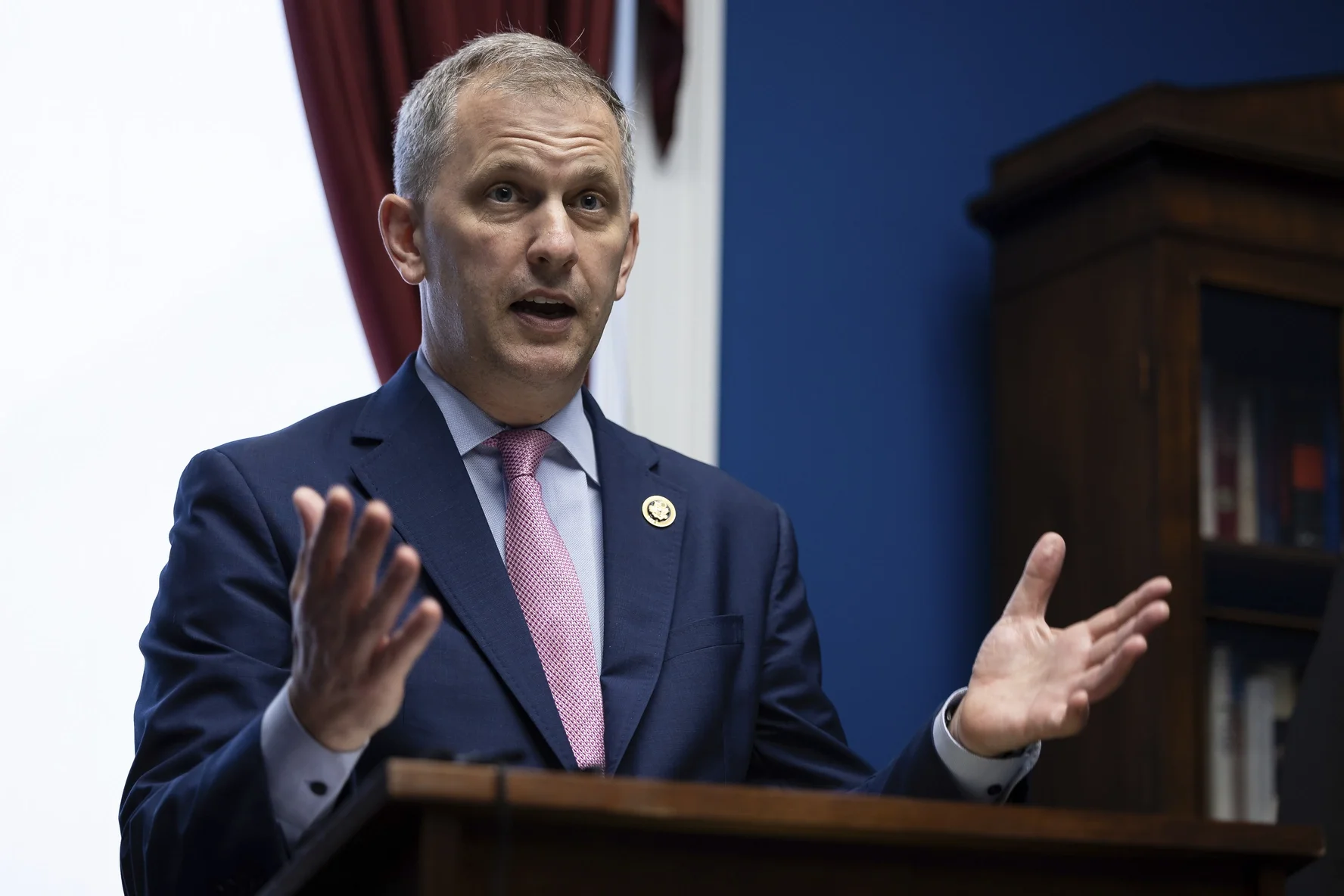
Representative Sean Casten talks Shareholder Value
This is an excerpt from the House Financial Committee Meeting on 10th September, Proxy Power and Proposal Abuse: Reforming Rule 14a-8 to Protect Shareholder Value.
Rep Sean Casten:
Thank you Mr. Chairman. Thanks to our witnesses. And I want to just preface this by acknowledging that I'm going to be a little bit pedantic, but this conversation is, I'm trying to find a polite way to say this. It's really dumb. Let's just acknowledge some things that I should not be debated, but I can't believe we're suggesting they're not true. Shareholders are actually the people who own companies. The executives of a company serve at their pleasure. They are tasked to carry out the will of those shareholders. They are custodians of shareholders investment, but they are not actually the people in charge and shareholders are not monolithic in terms of their interests, in terms of how they define value. Hearing my colleagues say the only thing that matters is shareholder value. What the hell does that mean? Maybe I'm a shareholder who thinks that a company's free cashflow should go to paying dividends.
Maybe I'm a shareholder who think that value would be maximized if we reinvested that cashflow. Maybe I'm a shareholder in Kodak who thinks we should be pivoting to digital photography because you're committed to a technology that isn't going to survive. Maybe I'm a shareholder in a car company who thinks we should be pivoting to EVs. It doesn't matter whether you're right. You have different opinions about value. And the way that companies adjudicate those disputes is to have a high functioning board executives who are competent people who surface their opinions. We try to resolve them in some collaborative fashion. And if you can't resolve them in some collaborative fashion, ultimately you go to a majority vote. This is not freaking complicated right now, the idea that some voters are more worthy of having their opinions heard than others. Some voters, only the ones we agree with understand what value is.
I guess that's on brand for the party of January 6th, but that's not actually the way that you make good decisions, right? So I say this not as a member of Congress. I say this as someone who spent 16 years as a CEO who ran a company where I was a minority investor because I didn't have the couple hundred million dollars that we needed. So we had a bunch of other money that came in, and sometimes I disagreed with our investors. Sometimes I persuaded them of my opinion, sometimes they won, sometimes I won. I maintained I was probably right more often than I won, but it didn't matter. They didn't have the votes. And our board understood. And I understood that sometimes my economic interests were at odds with the shareholders. Right? Now, I could have come to Washington and said that as a activist for the interests of minorities, I will come here and represent our nation's poor, underappreciated CEOs. But I don't think that's actually the way economy works. So Mr. Mueller, I guess, do you agree that there are conflicts of, and that I don't know when Enron collapsed was a part of that because of board oversight failures and conflicts of interest with management, just yes or no? Yes. Okay. And do you agree that it's important for boards to have independent directors who are distinct from management?
Witness Ron Mueller:
Yes.
Rep Sean Casten:
Okay, good. So does the New York Stock Exchange, so does Nasdaq. That all makes a lot of sense. Ms. Keel, would you agree that transparency and executive compensation is a good thing to have in corporate structures?
Witness Ferrell Keel:
Yes.
Rep Sean Casten:
Would you agree that shareholders should have a say on board of directors compensation?
Witness Ferrell Keel:
Yes.
Rep Sean Casten:
Under the Dodd-Frank Act are companies legally required to act in response to a shareholder vote on executive compensation?
Witness Ferrell Keel:
No.
Rep Sean Casten:
No, they're not. They're non-binding advisory opinions. In general, are companies legally required to take action on shareholder proxies?
Witness Ferrell Keel:
Technically no. But effectively, yes.
Rep Sean Casten:
Well, according to your firm, shareholder proposals are typically advisory in nature and not binding in a corporation.
Witness Ferrll Keel:
Technically, yes.
Rep Sean Casten:
True. That is all my experience. That is the law. We're talking about the law. We're not talking about technically. We're talking about should we change the law and we are in agreement that the law does not actually say these proposals are binding. The law says they are advisory, they get factored in, and then we have a high functioning board. Mr. Copeland, you had said earlier that I think you had on public choice theory and that Congress proves that you shouldn't just decide things by majority vote. That's not how boards work. As we just established, the law says that these are advisory opinions. So we're sitting here having this whole conversation about a boogeyman who doesn't exist. This conversation is about do shareholders have rights, do shareholders own companies, and do they have any rights to express their opinions of value in corporate boardrooms? Mr. Lander, you want to add anything here? Am I missing anything as a fiduciary? That was very well said. I hope our next hearing is not dumb. Yield back.

Shareholder Proposals and the Right of Investors to Express Collective Voice on Materiality
The U.S. securities markets are built on the principle that materiality is defined by investors. Courts and the SEC recognize that information is “material” if a reasonable investor would view it as important in deciding how to vote or invest.
The shareholder proposal process under Rule 14a-8 is a crucial tool for investors to express this judgment collectively. Proposals allow investors to identify and elevate issues they deem material and to signal through voting outcomes the significance of those issues to the company’s investor base. Protecting this right ensures that shareholders retain the ability to guide corporate board and management on the risks and opportunities that matter to their investors.
Key Takeaways
Collective voice defines materiality. Through voting outcomes on shareholder proposals investors indicate what issues are material to them.
Shareholder proposals operationalize this right. They are a structured, market-based tool for investors to communicate material concerns directly to boards and management.
Disclosure law reinforces this principle. Materiality under securities law is typically determined under a “reasonable investor” standard – i.e., what investors consider significant in consideration of the total mix of information.
Restricting this voice undermines exercise of fiduciary duty and market accountability.
Shareholder Proposals: Expressing Collective Voice
Structured Process: Proposals let investors raise concerns in a 500-word request included in proxy materials.
Voting as a Signal: Support levels communicate clearly to companies what investors deem significant.
Proven Accountability: Proposals have driven reforms on governance (independent chairs, majority voting), risk management (opioid oversight, predatory lending), and systemic challenges (climate resilience, online child safety).
Dialogue & Resolution: Many proposals are resolved through engagement, improving governance and disclosure before a vote is even needed.
Why This Right Matters
Fiduciary Duty and Materiality: Long-term, heavily diversified investors cannot diversify away systemic risks—such as climate disruption, public health crises, or financial instability. Shareholder proposals are the primary tool for these investors to express collectively which risks they consider material to preserving long-term portfolio value, making this right a cornerstone of fiduciary duty.
Material to Business, Not a Distraction: Far from being a distraction, shareholder proposals surface core issues that boards may otherwise overlook or downplay. By elevating concerns about governance, risk management, or systemic challenges, proposals make companies more resilient, responsive, and ultimately more profitable over time.
Forward-Looking Materiality: Shareholder proposals often highlight issues that may be uncertain today but are probabilistically material tomorrow. By surfacing such risks early, they ensure companies and investors can act before crises crystallize, consistent with the “reasonable investor” standard in securities law.
Consistent with judicial definition of materiality. The Supreme Court has held that a fact is “material” under securities laws if there is “a substantial likelihood that a reasonable shareholder would consider it important” or if its disclosure would have “significantly altered the ‘total mix’ of information made available.” This definition originates in TSC Industries v. Northway, 426 U.S. 438 (1976), and was expressly adopted in Basic Inc. v. Levinson, 485 U.S. 224 (1988), which added that for contingent or speculative information, materiality depends on both the probability of the event and its potential magnitude.
The right to file and vote on shareholder proposals is the collective voice of investors on materiality. It is the practical expression of the “reasonable investor” standard in securities law. Weakening this right would strip investors of a cornerstone of corporate accountability and market stability. Protecting it ensures that materiality remains defined by those who bear the risk and reward of investment: the investors themselves.
Authored by the Shareholder Rights Group.
US Sustainable Investing Trends 2024-2025
The US SIF Trends Report 2024/2025 provides a comprehensive understanding of the trends driving $52.5 trillion in US assets under management (AUM), including $6.5 trillion explicitly marketed as ESG or sustainability-focused investments.
Key Findings and Takeaways
The Market is Poised for Growth
73% of survey respondents expect the sustainable investment market to grow significantly in the next 1-2 years, driven by client demand, regulatory evolution, and advances in data analytics. This is still the case, despite political headwinds and regulatory scrutiny.
Stewardship Takes Center Stage
79% of US market assets ($41.5 trillion) are now covered by stewardship policies, though further research is needed to assess their active implementation and impact.
Focus on Climate and Clean Energy
Climate change remains the dominant theme, with a strong emphasis on clean energy transitions, carbon reduction, and nature restoration.
Strategic Shifts in Investment Approaches
ESG integration (81%) and exclusionary screening (75%) are the most commonly used strategies. Survey responses indicate that 62% use 5 or more negative screens.
Challenges and Opportunities Ahead
Political challenges, such as anti-ESG rhetoric and greenwashing concerns, continue to shape the narrative. Our survey shows that although these present challenges, they also highlight the need for improved communication and education about the value of sustainable investing.
Access the detailed report on US SIF’s website.
Proxy Review 2025
2025 Proxy Season Executive Summary
This year, shareholders filed 355 environmental, social, and sustainable governance (ESG) proposals as of February 21, 2025. Additional proposals will be filed as the year progresses, but the shape of the 2025 spring annual meeting season is now clear.
The 2025 proxy season has seen a sharp drop in proposals filed from 2024, primarily due to the change in the presidential administration and what many expected to be a dramatic policy shift at the Securities and Exchange Commission (SEC).
Proponents have largely taken a “wait-and-see” approach, electing not to file resolutions until they were able to assess the direction of the new SEC. This approach was validated as it quickly became clear that some proposals that had been allowed by the SEC for decades, began to be omitted. And in a move that clearly undermined proponents—after the majority of the 2025 resolutions were filed, the SEC formally changed the rules of what could be excluded and extended the timeframe for companies to submit or amend their no-action filings without allowing shareholders the same opportunity
to amend their resolutions.
Another factor in the drop in filings is that more companies engaged in dialogue with shareholders in order to avoid both the need for proposals and the related publicity that could draw attention to them given the current political attacks on DEI and climate.
Next year, shareholders will, of course, revise their proposals to meet the new rules and it is anticipated that the number of filings will go up. Yet the larger political and legal attacks on sustainable investing, institutional investors, and proxy analysts does raises concerns that the SEC will take further actions to curtail shareholder rights and hinder shareholder proposals.
The total number of 2025 ESG resolutions are down 34% from 2024 when 536 such proposals were filed by this point. Average support for pro-ESG proposals in 2024 was 19.6%, down from 21.5% in 2023 and well below the 33.3% average vote of 2021. In 2024 there were fewer majority votes than we had seen in previous years. Again, much of the decline in votes is attributable to the large asset managers no longer supporting ESG proposals and the attacks on taking material ESG risks into account.
Thus far, 78 proposals in the 2025 proxy season – 22% of the total filed – were withdrawn. At a similar time in 2024, only 7.7% of proposals had been withdrawn. March and April often see a flurry of withdrawals before proxy statements are sent out, so it will be interesting to see if more companies elect to privately come to an agreement with or engage their shareholders in this incendiary political climate to avoid the public spotlight and how many resolutions are withdrawn to avoid being omitted under the new rules. On March 7, 2025, the SEC reported 221 proposals had received no-action requests. In 2024 there were 7 omissions and 94 no-action requests pending at a similar date.
For a more detailed report on the 2025 Proxy Season, access the resource here.
Letter from Democratic Financial Officers to Asset Managers Regarding Environmental and Social Issues
A coalition of 17 Democrat finance officials have sent a letter to executives at BlackRock and 17 other firms, pushing the institutions to reaffirm their commitment to managing long-term risks like climate change. Executives at Vanguard, State Street and JPMorgan Chase also received the Americans for Responsible Growth letter. The full list of recipients include Amundi, BNY, Capital Group, Fidelity Investments, Franklin Templeton, Geode Capital Management, Goldman Sachs, Invesco, Legal & General, Morgan Stanley, Northern Trust, Nuveen, T. Rowe Price and Wellington Management.
An excerpt from the letter to BlackRock is included below.
Dear Mr. Fink,
We write to offer a fundamentally different vision of fiduciary responsibility than the one advanced in the July 2025 letter to you from signatories of the State Financial Officers Foundation (SFOF).
We believe the views expressed in their letter misrepresent the true meaning of fiduciary duty and would require asset managers to take a passive approach to oversight while ignoring the nature of long-term value creation in modern capital markets. In contrast, we believe that fiduciary duty calls for active oversight, responsible governance, and the full exercise of ownership rights on behalf of the workers and retirees we serve.
Fiduciary duty, as properly understood, requires—not prohibits—investor consideration of material risks and long-horizon opportunities. Institutional investors, including public pension funds, are long-term owners. They bear the consequences of unmanaged risks—whether climate-related, governance-related, or supply chain-related—and must ensure that corporations and their boards address such risks with transparency and accountability.
Asset owners and their asset managers must retain and effectively use their authority to vote proxies, and engage companies to deliver durable, risk-adjusted financial returns over the long-term.
It is particularly unreasonable to suggest that asset owners whose portfolios span the entire economy should be barred from engaging the largest firms in the market. Today, the top 100 companies represent more than 70% of U.S. market capitalization. For many institutional investors, these holdings are structurally inescapable. Denying the right to engage with these companies is tantamount to severing ownership from stewardship.
We commend asset managers who are expanding opportunities for clients to vote proxies. We urge you to focus on empowering institutional investors and uphold an approach to fiduciary duty grounded in transparency, accountability, and long-term value creation. It is essential that you lead in developing tools and mechanisms that connect capital to oversight.
We invite you to respond by September 1, 2025, and to meet with our offices to reaffirm your current commitment to responsible stewardship and build a constructive dialogue around this issue.
The Democrat finance officials represent Connecticut, Delaware, Maine, Massachusetts, Minnesota, Nevada, New Mexico, Oregon, Rhode Island, Vermont and Washington. They are looking for firms to reach out to meet with their offices and reaffirm their “current commitment to responsible stewardship” by Sept. 1.

Why Minority Support for Precatory Shareholder Proposals Promotes Transparency and Accountability
Sanford Lewis, Director , Shareholder Rights Group
While shareholder proposals on governance are perennial favorites that win majority support from shareholders, advisory proposals that continue to receive significant support from a bloc of investors highlight areas in which enhanced corporate disclosure could be material to a significant portion of a firm’s investors. Shareholder proposals that allow investors to aggregate collective support for improved disclosure by companies are an important part of the functioning of heterogeneous capital markets.
A July 3 post on the Blue Sky Blog asserted that the low voting outcomes for anti-ESG proposals reflect a general sentiment of shareholders in opposition to precatory proposals on ESG. But the voting outcomes this year do not bear out this conclusion. The article mistakenly concluded that this year’s 2 percent average voting for the anti-ESG proposals is not far from the supporting votes on ESG proposals overall this season.
A credible source of analysis, Morningstar, reports that the overall support for pro-ESG proposals averaged 20 percent this year. There is a large difference between 2 percent and 20 percent support. In fact, 20 percent support is recognized by many as the level that often compels boards and management to take note and consider responsive action.
Take proposals related to diversity, equity, and inclusion (DEI). There was a huge gap in voting outcomes this year between proposals that focused on eliminating corporate diversity programs, which averaged support of 2 percent or less, and voting outcomes on proposals that sought better disclosure on diversity. Many investors continue to view board and employee diversity as a material issue relevant to a company’s capacity to function in a diverse society. Most tellingly, Georgeson reports that this year, proposals asking companies to disclose EEO data that the companies previously filed with the government received an average of 33 percent support. Instead of blanket opposition to precatory proposals, this outcome exemplifies the discernment of investors in supporting proposals that promise materially useful disclosure at low cost. Making those EEO reports public improves information to the market at essentially zero cost to the companies – this is a bargain for investors. In contrast, even a more expensive approach to assessing corporate diversity programs, asking companies to conduct racial equity audits, received 18 percent support, on average.
The suppressed top voting outcomes this year for environmental and social proposals reflect an ongoing political and legal campaign that pressures the largest asset managers, suppressing their significant volume of votes for many environmental and social proposals. Nevertheless, voting shareholders still demonstrate discernment and support for many shareholder proposals that sought improved corporate environmental and social disclosure.
Voting evidence from this season shows that shareholder proposals allow blocs of investors to express their collective voice regarding opportunities for improving corporate disclosure that would aid their investment strategies and decisions. A majority vote is not required for shareholder proposals to persuade the board and management regarding market demand for better disclosure on an issue viewed by their investors as significant to their company.
The shareholder proposal rule is structured to ultimately screen out repetitive proposals that are truly viewed as low quality by voting investors. In a 2020 rulemaking, the SEC concluded that if a proposal receives less than 5 percent support the first time it is submitted, a proposal on substantially the same subject should not be allowed to be resubmitted for three years. The commission viewed this increase over the prior 3 percent threshold as better calibrated to ensure that the proposal that is resubmitted could have a realistic prospect of eventually obtaining broader support. Notably, the number of pro-ESG proposals that are receiving support below that commission-determined threshold has essentially held steady, not risen. Instead, this year, a surge in anti-ESG proposals filed by new proponents drove up the total number of proposals receiving less than 5 percent support. They have a right to file those proposals, and shareholders have a right to reject them. That’s the marketplace of ideas working, not failing.
The shareholder proposal process allows shareholders, rather than the SEC, to make the first call as to whether a proposal is strong enough to merit ongoing consideration and whether the issue reflects a material concern for a significant portion of investors. While governance proposals may win the most votes in the current climate, other precatory proposals allow investors of nuanced strategies to exercise their voting rights and encourage better disclosure of emerging material interests to the market. Precatory proposals continue to provide a dynamic opportunity for engagement and deliberation between and among investors and their companies.
Sustainable Investment Markets: Evolution and Impact
How Investors Can Advance Sustainable Urban Development Through Innovative Financing Models and Climate Narratives in a Polarized Environment
Authors: Austin Ariss, Mariama Bah, Renata Gladkikh, Nanda Jasuma, Smita Samanta
Executive Summary
Policy volatility has become structural, not episodic, as evidenced by the 2025 $7B offshore wind rollback creating an operating environment without a reliable policy floor for sustainable investment.
Despite 58% of investment professionals prioritizing SDG 11, implementation lags due to a fundamental mismatch: capital is ready but execution is constrained by fragmented regulation, stakeholder complexity, and inconsistent incentives.
Our research reveals that successful urban sustainability investments pair mechanism with a message. Blended finance structures resolve technical barriers to scale, while economic reframing creates the political space required for implementation.
Case analyses demonstrate the dual approach delivers results: the NYC MTA’s staged decarbonization was achieved through climate bonds and strategic communication; affordable housing preservation funds yielded 14–24% IRR by aligning community and investor interests.
International experience confirms economic reframing decreases polarization: Australia’s natural capital approach positioned environmental protection as asset management; Japan’s energy security framing enabled nuclear revival despite post-Fukushima concerns
The difference between stalled climate finance and transformative sustainable investment lies in this integrated approach. For US SIF members navigating an uncertain policy landscape, this report offers a strategic toolkit focused on three actionable pathways: standardizing blended finance templates, aligning impact metrics, and repositioning climate initiatives as economic utility to create resilient investment pathways rather than waiting for ideal policy conditions.

Health and Safety in the Fast Food Industry
MIKAIL HUSAIN, ESG Analyst, SOC Investment Group
LOUIS MALIZIA, Corporate Governance Director, SOC Investment Group
In recent years, the food service industry has been rife with workplace health safety issues. Food service workers have been attacked, stabbed, shot, and killed by customers in the restaurants where they work. According to one study, between 2017 and 2020, at least 77,000 violent or threatening incidents took place at California fast-food restaurants. Recent data indicate that the cost of workplace violence could be as much as $56 billion annually – and that’s likely an undercount. However, workplace health and safety issues are not limited to customer violence. Workers have also been made to work under unsafe and unsanitary conditions, such as restaurants with high kitchen temperatures and restaurants infested with vermin.
These issues and the media response they elicit are clear operational and reputational risks for the companies, which can lead to difficulties with staff retention in an industry with high turnover. According to the U.S. Chamber of Commerce, the food service and hospitality industry has a consistently high “quit rate.” Understaffing at fast food restaurants can lead to longer wait times for customers, diminished employee productivity, and an increase in safety hazards. Workplace health and safety issues in fast food restaurants have led to worker strikes and protests of working conditions, as well as fines and temporary restaurant closures imposed by regulators.
Why should investors care? If left unaddressed, workplace health and safety issues can expose companies and their shareholders to unnecessary risk. In recent years, shareholders have recognized the risks posed by workplace health and safety issues and are pressing companies to take more action to address them. In 2023, Dollar General shareholders demonstrated this with a majority vote in support of a health and safety audit proposal.
To address these risks, SOC Investment Group has filed health and safety audit proposals at McDonald’s, Yum! Brands, Restaurant Brands International, and Chipotle for the 2025 proxy season. The proposals are similar to the proposal we filed last year at Chipotle, which received 30% support from shareholders, well above the average support level of 18% for social proposals in the S&P 500 in 2024. The resolution requests that the companies’ boards of directors commission an independent third-party audit on the impact of company policies and practices on the safety and well-being of workers throughout company-branded operations.
We believe any relaxation of safety standards in pursuit of short-term benefits creates risks for workers, customers, and shareholders and may result in long-term reputational damage that can be difficult to reverse. In addition to these risks, companies that neglect health and safety in the short term may face increased regulatory and business risks that can erode margins and reduce long-term shareholder returns.
Human Rights & Artificial Intelligence
BRANDON REES, Deputy Director, Corporations and Capital Markets, American Federation of Labor and Congress of Industrial Organizations (AFL-CIO)
The widespread adoption of artificial intelligence (AI) by companies has the potential to unleash broad-based economic prosperity by enhancing employee productivity. But, it also carries risks to workers’ rights as AI algorithms increasingly set productivity quotas, make human resource decisions, and direct workers on how to perform their jobs. For example, the use of AI in human resources decisions can result in unlawful employment discrimination.
According to the UN Guiding Principles on Business and Human Rights, companies have an international obligation to “know and show” that they respect human rights. In using this due diligence framework to manage AI-related human rights risks, companies should: 1) be transparent about how AI is used by the company, 2) establish board-level oversight and monitoring of AI-related risks, and 3) give workers a voice in how AI is used in the workplace.
First, companies should be transparent with how they use AI in their business operations. Investors are regularly engaging with their portfolio companies about AI as part of their stewardship activities. Many companies are now voluntarily disclosing information on how they use AI to their investors, employees, and customers. By addressing the ethical considerations of AI in a transparent manner, companies can build trust with their stakeholders.
Second, boards of directors have an important role to play in monitoring and managing AI risks. Under the Caremark standard in Delaware corporate law, directors have a fiduciary duty to oversee their company’s operations by establishing an internal reporting system. At a minimum, companies adopting AI into their business operations need to establish board-level oversight of the risks involved and report on any regulatory noncompliance issues that arise.
And, finally, companies should view AI as an opportunity to enhance human decision-making by their employees, not as a substitute. Companies that view their workers as partners in implementing AI are more likely to attract and retain a motivated workforce and realize the productivity gains that AI promises. Unions are the best way for workers to negotiate how AI technology should be implemented in the workplace.
To address these concerns, the AFL-CIO Equity Index Funds have introduced shareholder proposals that ask companies to commission an independent, third-party human rights assessment of their use of AI. Proposals are expected to go to a vote at Amazon and Lyft in 2025, and similar proposals requesting a transparency report on the use of AI received high levels of shareholder support at Apple (37%) and Netflix (43%) in 2024.

Nature is Critical to Business
ANDREW SHALIT , Shareholder Advocate, Green Century Capital Management
Global biodiversity is deteriorating faster than at any time in human history, largely due to human activity. Such massive biodiversity loss poses serious economic and financial risk as more than half the world’s economy is moderately or highly dependent on nature. To reverse this trend, companies must start by meaningfully assessing, disclosing, and addressing their nature-related impacts, dependencies, risks, and opportunities.
Green Century has long worked to advance protections for nature through our work to preserve natural forests, reduce the use of harmful chemicals, and put companies on a path to net zero emissions. In the fall of 2023, we filed our first proposals that specifically address biodiversity, asking companies including PepsiCo and Kellanova to complete material biodiversity dependency and impact assessments. This year, we refiled our resolution at PepsiCo and co-filed, along with Proxy Impact, a biodiversity and nature disclosure resolution at Home Depot, led by Domini Impact Investments. These resolutions call on companies to face and address the challenges to nature that threaten the products they sell and the markets in which they operate.
We also filed a biodiversity resolution at Chemours, a chemical company that mines titanium to create products that whiten our paint, toothpaste, and sunscreen. While titanium is a plentiful mineral, Chemours conducts some of its mining operations in ecologically sensitive areas. Our proposal asks Chemours to adopt a policy to assess any reasonably likely irreversible impacts on biodiversity prior to commencing mining operations in ecologically sensitive areas, as well as any related financial, reputational, and operational implications for the company should those impacts occur. Bottom line, it probably doesn’t make financial sense to mine ecologically sensitive areas for a natural resource you can easily find elsewhere – and it’s at least worth assessing those risks and impacts first.
Global institutions have begun to recognize the need for action on nature. In 2022, 196 countries ratified the Global Biodiversity Framework, setting out ambitious goals to protect and restore nature. The Taskforce for Nature-Related Financial Disclosures (TNFD) was launched in September 2023. As of this writing, 546 organizations worldwide have committed to assessing and disclosing under TNFD, including 346 corporations and 139 financial institutions. The Global Reporting Initiative, CDP, and Science Based Targets Network are developing support for biodiversity and nature disclosure and target setting. Biodiversity disclosure is also included in the EU’s Corporate Social Responsibility Directive. Industry groups, including the Finance for Biodiversity Foundation and Business for Nature, provide additional support for companies seeking to transition to nature-positive practices.
We can no longer take nature for granted. Companies must find nature-positive approaches to all aspects of their business, from supply chains to manufacturing to distribution, to avoid near- and long-term risks associated with the degradation of the natural world. Investors have a crucial role to play by insisting that companies take concrete steps to address the systemic risk of global biodiversity loss.
For more details on biodiversity and nature related proposals from the 2025, access 2025 Proxy Preview.
2025 Update on SEC Guidance for Shareholder Proposals
SANFORD LEWIS, Director and General Counsel, Shareholder Rights Group
In order to help companies and investors determine whether a shareholder proposal qualifies to appear on the proxy statement under SEC Rule 14a-8, the SEC has developed a process to allow companies to inquire in advance whether a proposal must be included. The “no action” process is an informal review process through which the SEC staff advises companies and their investors on whether the SEC staff would recommend enforcement action if a company fails to include a submitted shareholder proposal on its annual proxy statement.
The SEC staff periodically recalibrates its interpretation of the rules as it applies in the no-action process to reflect current issues of concern to investors and companies. For example, in 2021, the SEC staff issued an interpretive bulletin, Staff Legal Bulletin 14L, which clarified the interpretation of ordinary business and micromanagement rules.
The bulletin was subject to pushback from issuers and asset managers. Trade associations, such as the National Association of Manufacturers and Business Roundtable, were critical of the bulletin, asserting that it no longer required that a proposal address an issue that is significant to the company receiving it. Asset managers who vote on shareholder proposals asserted that proposals were becoming too prescriptive.
In 2023 and 2024, following the market response and criticisms, the staff tightened up its interpretations of the micromanagement rule and excluded many proposals on social and environmental issues that had previously been allowed. From November 1, 2023, to May 1, 2024, the SEC staff supported company requests for exclusion of proposals roughly 68% of the time, similar to the average exclusion rate during the first Trump administration, from 2017 to 2020, which was 69%. In 2025, the staff has again tightened its interpretation of the micromanagement rule, excluding, for example, proposals on lobbying disclosure that had previously been permissible since at least 2011.
On February 12, 2025, the SEC staff issued Staff Legal Bulletin 14M to signify a more restrictive posture on proposals that request specific forms of disclosure or actions by companies. The bulletin revoked Staff Legal Bulletin 14L and altered staff interpretations of the micromanagement, ordinary business, and relevance exclusions.
The new bulletin requires that assessment of whether a shareholder proposal transcends ordinary business should be evaluated by looking at the significance of the proposal to the particular company that receives the proposal.
The new bulletin also shifts interpretation of micromanagement from Staff legal Bulletin 14L’s clear guidelines, toward a more subjective staff evaluation as to whether the proposal seeks a specific method, strategy, or outcome that the staff views as more appropriately determined by the board or management. Such new interpretations are anticipated to lead to an increase in the exclusion of environmental and social proposals and fewer such proposals appearing on proxy statements.
In a letter submitted on February 18, representatives of the Shareholder Rights Group, the Interfaith Center on Corporate Responsibility, and As You Sow requested that the SEC refrain from applying the guidance to shareholder proposals filed prior to the issuance of the bulletin: “Shareholders rely on Staff guidance regarding the shareholder proposal process when engaging the management of the companies they own. By filing proposals that adhere to the guidance, shareholders are able to present proposals more likely to conform to Staff understanding of the exclusions in Rule 14a-8. This streamlines the process for investors, companies, and the Staff. Applying new guidance to previously submitted proposals would unfairly penalize investors who followed the extant guidance in good faith, believing that they were following the procedures that would lead to clear results, limiting the need for the costly back and forth of the no-action process.”
Along with new regulatory guidance from the SEC, the investor right to file shareholder proposals has also come under attack from legislation in Congress and lawsuits filed in the federal courts in Texas. The new report, Shareholder Proposals: An Essential Investor Right, offers a detailed and thoughtful defense of shareholder proposals. It catalogues their role in creating a powerful public platform for challenging and improving corporate policies, practices, performance, and impacts and providing an important mechanism for surfacing investor perspectives on material issues. The report further demonstrates how shareholder proposals have enabled investors to safeguard their portfolios from risks and protect the American public by helping to catalyze positive corporate change on an array of issues.

Shifting Policy Terrain on Shareholder Engagement
NATALIA RENTA , Associate Director, Corporate Governance and Power, Americans for Financial Reform Education Fund
The current administration has hit the ground running with policy changes designed to stymie shareholder engagement and corporate accountability, with particularly visible and harmful attacks targeting corporate progress on racial equity. Our opponents laid the groundwork for these actions through bills passed by the House of Representatives last Congress and Project 2025.
One of the first executive orders Trump issued tasked the Attorney General with writing a report with recommendations on how to encourage the private sector to end diversity, equity, and inclusion (DEI) initiatives. It also tasked the Attorney General and other agency heads with coming up with a “strategic enforcement plan” to “deter DEI programs or principles.” While a judge temporarily blocked implementation of portions of this and another anti-DEI executive order, many large corporations quickly pulled away from their DEI initiatives.
Meanwhile, the Securities and Exchange Commission (SEC) took various steps to tilt the shareholder advocacy playing field in favor of corporate boards and executives and against shareholders pushing them to address important risks. First, the SEC wreaked havoc by updating a Q&A that, in effect, incentivizes large asset managers to cast pro-management votes and halt any positive engagements with companies on critical issues shareholder advocates have put to the fore. It does so by expanding the types of shareholder advocacy that could be construed as “changing or influencing” control of a company, which would trigger further regulatory requirements from investors who own over 5% of a company’s shares. Following the release of the Q&A, BlackRock and Vanguard temporarily halted meetings with companies.
The SEC also made it harder for shareholder proponents to get their voices heard by issuing Staff Legal Bulletin 14M, which changed how the SEC staff evaluates company requests to effectively let them exclude shareholder proposals from proxy statements. As Commissioner Crenshaw noted, this bulletin “moves the goalposts smack dab in the middle of this year’s shareholder proposal process.” She also noted that corporations will be able to make additional arguments to exclude shareholder proposals while shareholders won’t be able to change their proposals to be in line with the parameters set by the new legal bulletin.
Unfortunately, we can expect more actions by the SEC to further incentivize asset managers to cast pro-management votes, coerce proxy advisors to recommend pro-management votes, weaken corporate disclosures, and make it harder for shareholder proponents to get their proposals in proxy statements.
We can also expect detrimental shifts in policy from the Department of Labor as it will likely attempt to rescind a Biden-era rule that makes clear ERISA fiduciaries can take into account relevant environmental, social, and governance factors when making investment decisions and encourages fiduciaries to exercise shareholder rights, including proxy voting. Republican Attorneys General sued to block the rule, but a district court judge in Texas has upheld the rule twice, including this past February.
As the policy terrain continues to shift, shareholder advocates will have to remain vigilant and experiment with new strategies to get their voices heard and make change.
For more perspectives on the 2025 Proxy Season, click here.